You are offline. This is a copy saved on this device, so details may have changed. Rules and safety advice are not kept offline.
Garden in the Dry Tropics
Townsville does not have four neat seasons. These notes follow the local wet and dry instead. Use them as a starting point and ask a local nursery about your own garden.
Find a local native plant
Native plants feed local birds and butterflies and cope with our dry tropics. Choose what suits your garden and the list changes to match.
-
Native ginger
Alpinia caerulea Local to Townsville
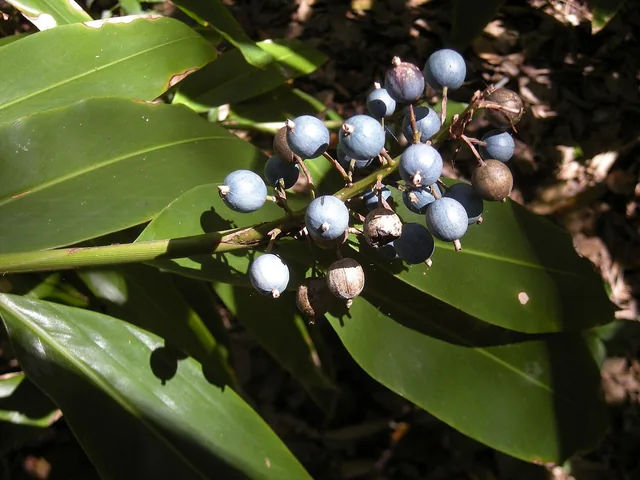
Native ginger fruit. Photo: Ethel Aardvark, CC BY 3.0, via Wikimedia Commons. Cropped and resized. A leafy clump for shady spots under trees, with bright blue fruit. It can be cut back hard if it gets untidy.
- Herb or groundcover
- Brings in birds and butterflies
- Part shade or full shade
More about Native ginger (cdtli.org.au)
-
Blue trumpet
Brunoniella australis Local to Townsville
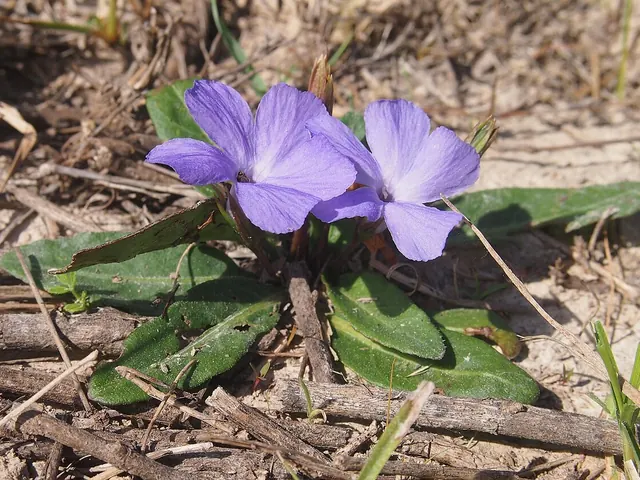
Blue trumpet flowers. Photo: Mark Marathon, CC BY-SA 4.0, via Wikimedia Commons. Cropped and resized. A small groundcover with blue flowers. It dies back in dry times and sprouts again after rain.
- Herb or groundcover
- Brings in birds and butterflies
- Full sun or part shade
- Bush tucker
More about Blue trumpet (cdtli.org.au)
-
Beach bean
Canavalia rosea Local to Townsville
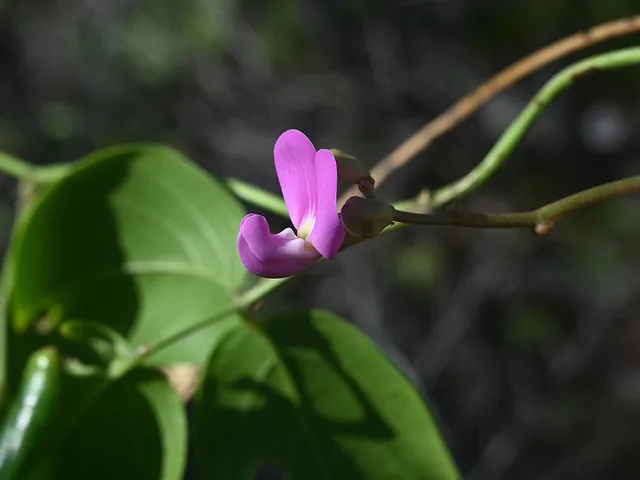
A beach bean flower, photographed in the Caribbean, where it also grows. Photo: Krzysztof Ziarnek, Kenraiz, CC BY-SA 4.0, via Wikimedia Commons. Cropped and resized. A fast-growing vine of local beaches with pink pea flowers. It copes with salt, sand and dry spells.
- Vine or climber
- Brings in birds and butterflies
- Full sun
- Copes with salt
- Bush tucker
More about Beach bean (cdtli.org.au)
-
Native Dutchman’s pipe
Aristolochia acuminata
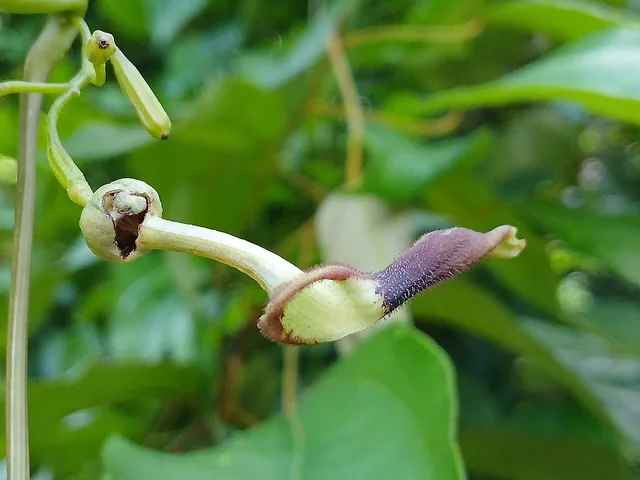
A native Dutchman’s pipe flower. Photo: Nativeplants garden, CC BY-SA 4.0, via Wikimedia Commons. Cropped and resized. A rainforest vine that butterflies use. Young plants like shade and moist soil, then climb towards the sun.
- Vine or climber
- Brings in birds and butterflies
- Part shade or full shade
More about Native Dutchman’s pipe (cdtli.org.au)
-
Conkerberry
Carissa lanceolata Local to Townsville
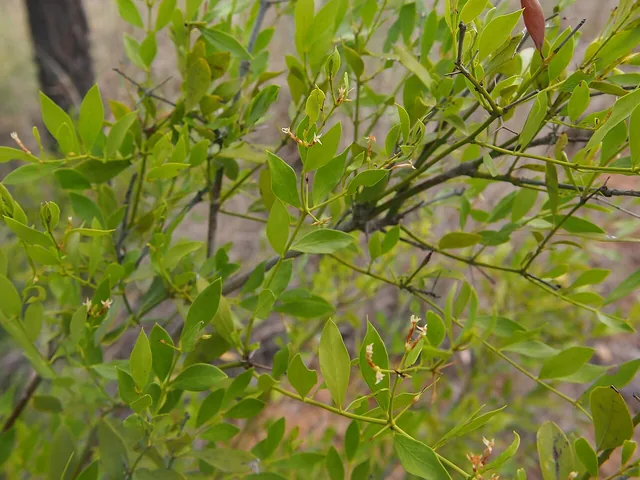
Conkerberry leaves and stems. Photo: Mark Marathon, CC BY-SA 3.0, via Wikimedia Commons. Cropped and resized. A tough, spiny shrub for dry, stony ground in full sun.
- Shrub
- Brings in birds
- Full sun
Take care: It has sharp thorns, so keep it away from paths.
More about Conkerberry (cdtli.org.au)
-
Silver wattle
Acacia holosericea
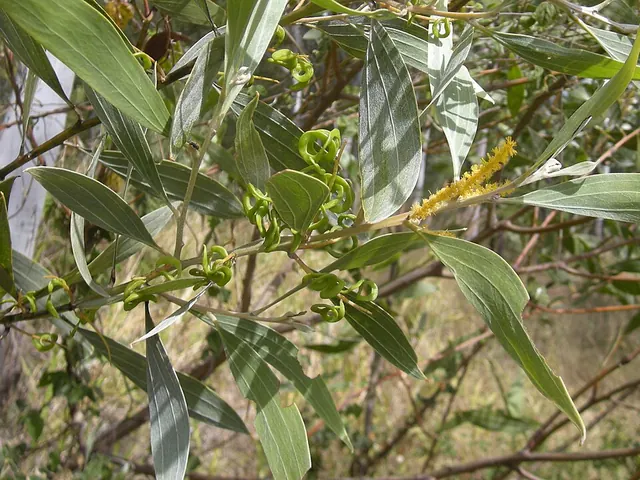
Silver wattle flowers, leaves and pods, near Rockhampton. Photo: Ethel Aardvark, CC BY 3.0, via Wikimedia Commons. Cropped and resized. A quick-growing wattle with big silvery leaves and yellow flower spikes in winter. It lives about 10 years.
- Shrub or tree
- Brings in birds and butterflies
- Full sun
- Bush tucker
More about Silver wattle (cdtli.org.au)
-
Lemon myrtle
Backhousia citriodora
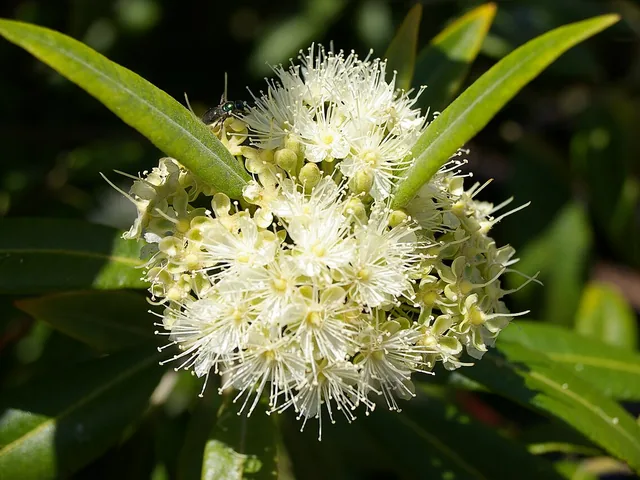
Lemon myrtle flowers on the Gold Coast. Photo: John Robert McPherson, CC BY-SA 4.0, via Wikimedia Commons. Cropped and resized. A small tree with lemon-scented leaves. It can be kept trimmed as a hedge or screen.
- Tree
- Brings in bees, birds and butterflies
- Full sun or part shade
More about Lemon myrtle (cdtli.org.au)
-
Brown gardenia
Atractocarpus fitzalanii
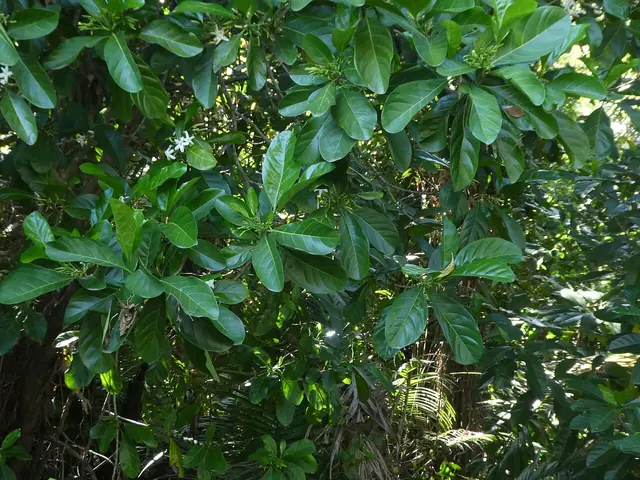
Brown gardenia leaves and flowers. Photo: Steve Fitzgerald, CC BY-SA 4.0, via Wikimedia Commons. Cropped and resized. A small rainforest tree with glossy leaves and perfumed white flowers in spring. It likes a sheltered spot and water in the dry.
- Tree
- Brings in birds and butterflies
- Part shade
- Bush tucker
More about Brown gardenia (cdtli.org.au)
-
Soap tree
Alphitonia excelsa
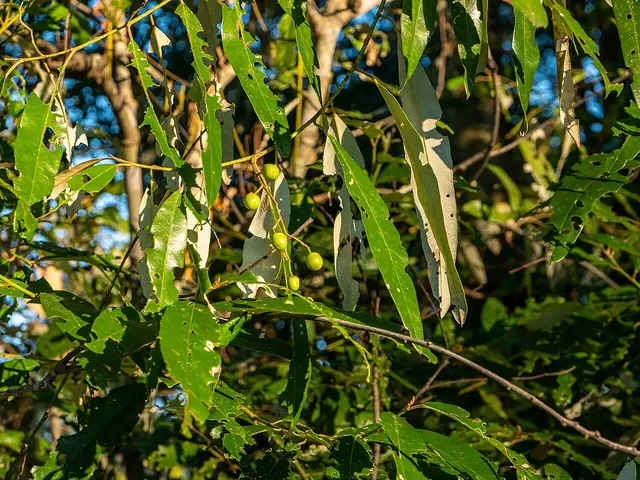
Soap tree leaves and fruit in Brisbane. Photo: John Robert McPherson, CC0 1.0, via Wikimedia Commons. Cropped and resized. A small tree for sunny, open spots. Its leaves are green on top and white underneath.
- Tree
- Brings in birds and butterflies
- Full sun
More about Soap tree (cdtli.org.au)
-
Coastal she-oak
Casuarina equisetifolia Local to Townsville
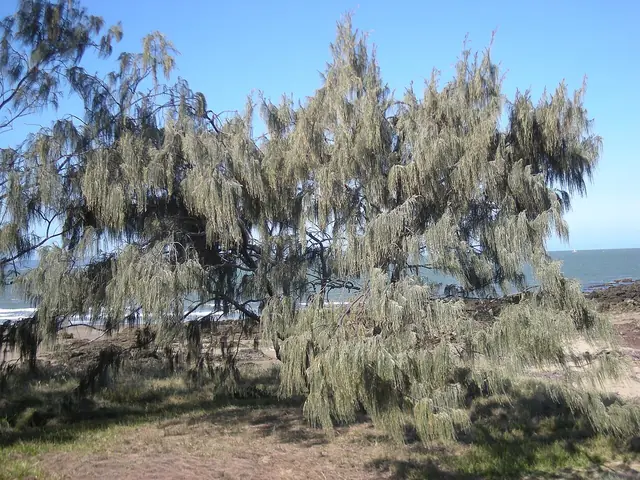
A coastal she-oak on the Capricorn Coast. Photo: Ethel Aardvark, CC BY 3.0, via Wikimedia Commons. Cropped and resized. A beach tree with drooping, needle-like branchlets. It copes with sandy soil and salty wind.
- Tree
- Brings in birds
- Full sun
- Copes with salt
More about Coastal she-oak (cdtli.org.au)
-
Milky pine
Alstonia scholaris
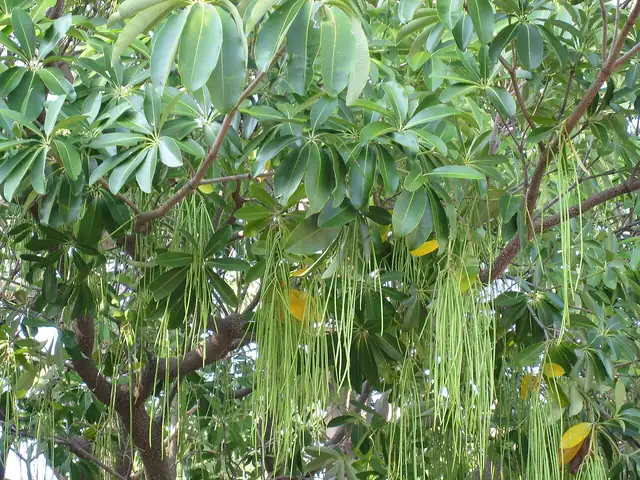
Milky pine leaves and seed pods in the Northern Territory. Photo: MargaretRDonald, CC BY-SA 4.0, via Wikimedia Commons. Cropped and resized. A fast-growing, tall tree for parks and big yards. In strong winds it drops branches and then grows a new crown.
- Tree
- Brings in bees and butterflies
- Full sun
- Stands up to cyclones
More about Milky pine (cdtli.org.au)
-
Black bean
Castanospermum australe
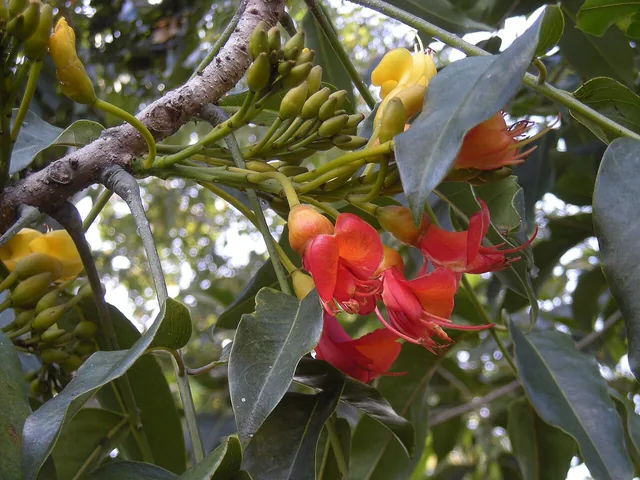
Black bean flowers. Photo: Ethel Aardvark, CC BY 3.0, via Wikimedia Commons. Cropped and resized. A large shade tree with red and yellow flowers. It needs lots of room: plant it well away from pipes and buildings.
- Tree
- Brings in birds and butterflies
- Full sun
Take care: The seeds are poisonous.
More about Black bean (cdtli.org.au)


No plant in this list matches every choice. Try fewer choices, or look through the full plant library below.
These are a few of many local plants. Coastal Dry Tropics Landcare, a volunteer group that restores native bush and removes weeds around Townsville, grows plants from local seed at its Bush Garden Nursery in Rowes Bay. Browse CDTLI’s full plant library (cdtli.org.au) or visit the nursery (cdtli.org.au).
Plant facts follow CDTLI’s plant library, checked on 2026-10-22. Never eat a wild plant unless someone who knows it well has identified it.
Draft. Written by Henari. A local horticultural reviewer has not yet approved these notes.
The garden year
- Build-up
- Hot, humid and mostly dry, with storms starting to build.
- Getting ready for the wet
- Heat and humidity peak and the first heavy rain can arrive.
- The wet
- Heavy rain, high humidity, and the chance of cyclones and flooding.
- Wet to dry
- Rain eases, nights start to cool, and the soil is still moist.
- Cooler dry
- Mild days, cool nights and little rain. The main growing season for many vegetables.
- Late dry
- Days warm up quickly and the ground is at its driest.
Month by month
-
January The wet
This month
Why now: Rain does the watering for you, but soggy ground and heat stress plants.
- Keep drains and gutters clear.
- Pull weeds while the soil is soft.
- Pick fruit and vegetables often so pests do not settle in.
- Water
- Turn off automatic watering when it has rained.
- Soil and mulch
- Check where water pools after storms and plan to improve drainage there.
- Habitat
- Leave a few flowering natives for nectar-feeding birds and insects.
- Take care
- Cyclone season. Tie down or put away loose pots, furniture and tools.
-
February The wet
This month
Why now: Often the wettest stretch of the year. Fungus and pests thrive in the humidity.
- Remove leaves with mould or fungus and put them in the bin, not the compost.
- Give plants room for air to move between them.
- Water
- Empty saucers and containers so mosquitoes cannot breed.
- Soil and mulch
- Top up mulch that heavy rain has washed away.
- Habitat
- A shallow, clean water dish in shade helps birds between storms. Change it often.
- Take care
- Cyclone and flood season. Keep your household plan up to date.
-
March The wet
This month
Why now: Late rain keeps the soil moist, which is good for getting new plants established.
- Plant natives that like a wet start.
- Start planning the beds for the cooler months.
- Water
- Let the rain do the work. Check pots under cover, which can still dry out.
- Soil and mulch
- Add compost to beds you will plant in April and May.
- Habitat
- Ask a local nursery about native plants grown from local seed.
- Take care
- Cyclones are still possible.
-
April Wet to dry
This month
Why now: The heat starts to ease while the soil still holds water. A good time to plant.
- Start sowing for the cooler dry season.
- Plant trees and shrubs so they settle before the dry.
- Water
- Water deeply but less often, so roots grow down.
- Soil and mulch
- Mulch new plantings well to hold moisture as the rain stops.
- Habitat
- Plant a mix of flowers that bloom at different times for pollinators.
-
May Cooler dry
This month
Why now: Mild weather and fewer pests make this the easiest time to grow food.
- Keep sowing and planting vegetables and herbs.
- Stake plants before they get heavy.
- Water
- Water early in the morning. Check soil moisture with a finger first.
- Soil and mulch
- Feed vegetable beds with compost.
- Habitat
- Leave some leaf litter under shrubs for lizards and insects.
-
June Cooler dry
This month
Why now: Cool nights and steady sun. Plants grow well with regular water.
- Harvest often.
- Sow again every few weeks for a longer harvest.
- Water
- Use a drip line or watering can at the base of plants instead of a sprinkler.
- Soil and mulch
- Keep mulch a hand’s width away from stems.
- Habitat
- A good month to plant native grasses and groundcovers.
-
July Cooler dry
This month
Why now: The middle of the growing season. Little rain, so watering matters.
- Keep picking and replanting.
- Prune shrubs that have finished flowering.
- Water
- Follow Council water-wise guidance.
- Soil and mulch
- Make compost from spent plants that are not diseased.
- Habitat
- Nest boxes and dense shrubs give birds shelter.
-
August Cooler dry
This month
Why now: Days warm up again. Plan for the heat ahead.
- Finish the last cool-season sowings.
- Work out which beds will get shade cloth.
- Water
- Check irrigation for leaks before the hot months.
- Soil and mulch
- Thick mulch now protects the soil through the late dry.
- Habitat
- Notice which plants the birds and bees visit most.
-
September Late dry
This month
Why now: Heat returns, rain is rare and the ground is driest.
- Put up shade for tender plants.
- Clear dry, dead material away from the house.
- Water
- Water in the early morning. Group thirsty pots together.
- Soil and mulch
- Keep soil covered. Bare ground bakes and loses water fast.
- Habitat
- Keep a clean water dish in shade for birds.
- Take care
- Dry grass and garden waste can catch fire. Follow local fire rules.
-
October Build-up
This month
Why now: Hot and humid with little rain yet. Plants and people both feel the heat.
- Harvest what is left of the cool-season crops.
- Choose heat-tolerant plants for summer.
- Water
- Deep, occasional watering beats a daily sprinkle.
- Soil and mulch
- Top up mulch before the big rains.
- Habitat
- Join the Aussie Bird Count if it is on, and notice who visits your garden.
- Take care
- Garden in the cool of the morning or evening. Drink water and wear a hat.
-
November Build-up
This month
Why now: Storms start. Get the garden ready for the wet.
- Trim branches that hang over the roof.
- Clear gutters and drains.
- Water
- Turn off automatic watering when storms arrive.
- Soil and mulch
- Fix low spots where water will pool.
- Habitat
- Leave some seed heads standing for birds.
- Take care
- Storm and cyclone season is starting. Check your household plan.
-
December Getting ready for the wet
This month
Why now: Heat and humidity peak, and heavy rain can arrive any time.
- Tie or put away anything wind can lift.
- Plant tropical natives that like the wet.
- Water
- Collect rainwater if you can, and keep it covered.
- Soil and mulch
- Mulch well but keep it clear of the house to discourage termites.
- Habitat
- Water birds will move as wetlands fill.
- Take care
- Cyclone season. Know your evacuation zone.
May be out of date. These garden notes are past their yearly review.
Local help
- Be Water Wise 365 (townsville.qld.gov.au)
- Townsville pollinator planting guide (PDF) (townsville.qld.gov.au)
- Native plant nursery (cdtli.org.au)
- Townsville Community Garden (townsvillecommunitygarden.wordpress.com)
- Gardening in Townsville (abc.net.au)
Before planting something new, check it is not a declared weed in Queensland.